Indoor vs Outdoor Sound Systems: What Is the Difference?
Choosing a sound system for an event involves more than selecting the number of speakers or the amount of power required. One of the most important factors is the event location: will it take place indoors or outdoors?
Indoor and outdoor sound systems have different setup requirements. Room acoustics, event area, audience size, and environmental conditions can all affect how sound is heard throughout an event.
So, what is the difference between indoor and outdoor sound systems, and how do you choose the right setup?
This guide explains the key considerations to help you make an informed decision.
1. What Is the Difference Between Indoor and Outdoor Sound Systems?
The main difference lies in the environment and how sound travels through the event space.
Indoor Sound Systems
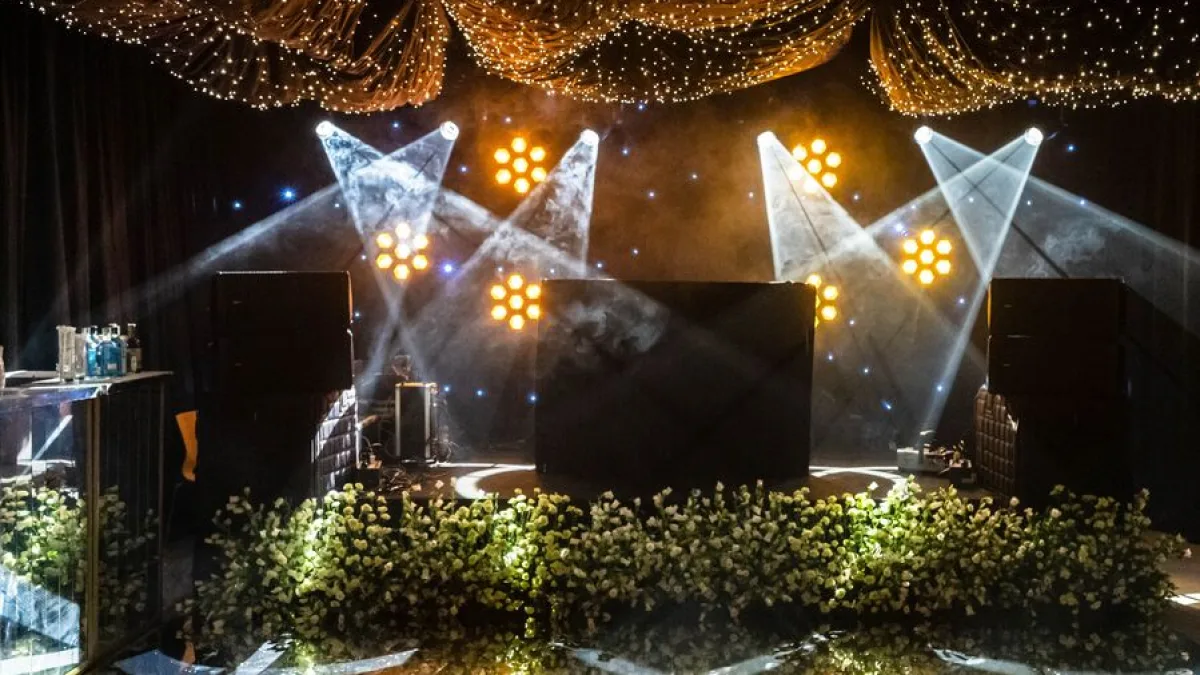
Indoor sound systems are used in enclosed venues such as hotel ballrooms, conference rooms, meeting halls, restaurants, and multipurpose spaces.
Inside a room, sound can reflect off walls, floors, and ceilings. These reflections can affect speech clarity, particularly in venues with hard surfaces or long reverberation times.
An indoor audio setup should therefore consider:
The size and shape of the room.
Wall, floor, and ceiling materials.
Stage and seating positions.
The distance between speakers and the audience.
Potential sound reflections that may reduce speech intelligibility.
For seminars and conferences, clear speech is usually the main priority. Music events and corporate celebrations may require additional equipment to support musical performance and entertainment.
Outdoor Sound Systems
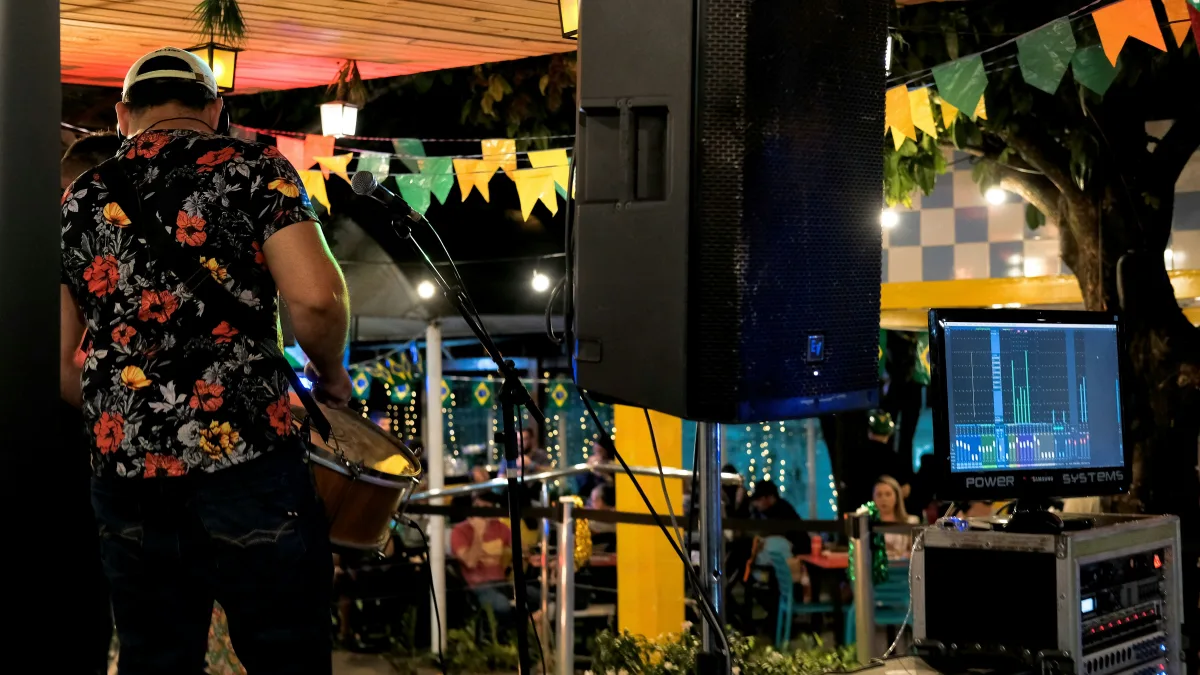
Outdoor sound systems are used in open-air venues for concerts, festivals, outdoor weddings, bazaars, community gatherings, and other outdoor events.
Unlike enclosed rooms, outdoor spaces generally do not have walls or ceilings to reflect sound back toward the audience. Sound can spread more freely, making coverage and speaker placement important considerations.
Outdoor audio planning often takes into account:
The size of the event area.
The distance between the stage and audience.
Audience size and density.
Ambient noise from the surrounding environment.
Wind and weather conditions.
Power availability and safe cable routing.
For outdoor events, increasing speaker power or quantity is not always the best solution. Speaker placement, direction, and coverage should also be planned to deliver consistent sound across the intended listening area.
2. Does an Outdoor Sound System Need to Be Bigger?
Not necessarily. Sound system requirements depend on the overall event conditions, not simply on whether the event takes place outdoors.
A small outdoor gathering with a limited audience may only require a relatively simple setup. Meanwhile, a large indoor ballroom event could need a more complex audio system.
Several factors determine the appropriate configuration.
Event area and listening distance
The larger the area that needs to be covered, the more important speaker coverage and distribution become.
Audience size
Audience size helps determine coverage requirements, but seating arrangements and venue layout should also be considered.
Event type
Seminars prioritize speech clarity. Concerts and music events require a system that can handle the dynamics of music, vocals, and instruments.
Ambient noise
Events near busy roads, public spaces, or noisy surroundings may need a different approach from events held in quieter locations.
Entertainment requirements
Events featuring a live band or DJ may require subwoofers, stage monitors, additional audio inputs, and other supporting equipment.
The best setup is not necessarily the largest one. It is the system that matches the event requirements and the characteristics of the venue.
3. Differences in Audio Equipment Requirements
Indoor and outdoor sound systems may use similar types of equipment, but their configurations can differ.
Main Speakers
Main speakers deliver sound to the audience.
For indoor events, speaker placement should account for room reflections and acoustic characteristics. For outdoor events, coverage area and listening distance are often major considerations.
Subwoofers
Subwoofers reproduce low-frequency sound, supporting music at concerts, entertainment events, and performances featuring bands or DJs.
Their use depends on the event format. A seminar focused on presentations may not require the same subwoofer configuration as a music event.
Wireless Microphones
Wireless microphones are commonly used by MCs, presenters, moderators, and audience members during Q&A sessions.
For both indoor and outdoor events, microphone selection and frequency coordination should account for the venue conditions and potential signal interference.
Audio Mixer
An audio mixer allows the technician to manage microphone levels, music, instruments, and other audio sources. Events involving multiple presenters or performers often require more structured audio management.
Monitor Speakers
Monitor speakers help presenters and performers hear the audio they need on stage.
They are particularly relevant for live performances, although the exact requirements depend on stage layout and the monitoring method being used.
Cables, Connections, and Power Distribution
Outdoor events require additional attention to cable protection, connectors, and electrical distribution.
Electrical equipment must be positioned and protected appropriately against rain and moisture. Cables should also be routed to reduce trip hazards and interference with audience movement.
For both indoor and outdoor events, equipment and connections should be checked before the program begins.
4. Common Challenges with Indoor Sound Systems
One of the main challenges with indoor audio is sound reflection.
In rooms with many hard surfaces, sound from the speakers may reflect and combine with the direct sound. This can reduce speech clarity, especially when the room has a long reverberation time.
Several measures can help address these challenges:
Position speakers according to the room layout.
Direct sound toward the intended audience areas.
Set appropriate volume levels.
Conduct a soundcheck from the audience seating area.
Adjust the audio setup to suit the room’s acoustic characteristics.
For events centered on speeches and presentations, speech intelligibility should take priority over simply increasing volume.
5. Common Challenges with Outdoor Sound Systems
Outdoor events present different challenges because the open environment and weather can affect audio performance and equipment operation.
Coverage Area
Without walls and ceilings to reflect sound, audio needs to be distributed carefully so that attendees in different positions can hear clearly.
Ambient Noise
Traffic, surrounding activities, and audience noise can affect speech clarity. Audio configuration and sound levels should be adjusted with the environment and applicable noise restrictions in mind.
Wind and Weather
Wind can affect the listening experience, particularly across large open areas. Rain and moisture may also create risks for electrical equipment.
Outdoor events should therefore include weather protection, safe working areas, and procedures for responding to changing conditions.
Power Distribution and Cable Safety
The power supply must be suitable for the equipment being used. Cables and connectors should be routed safely and protected from water and potential hazards.
Safety planning should take place before installation, rather than only after a problem occurs.
6. Which Sound System Is Right for Your Event?
The following table provides an initial guide based on event type and location.
| Event Type | Location | Main Audio Priorities |
| Seminar or conference | Indoor | Clear speech and reliable microphones |
| Corporate meeting | Indoor | Even sound distribution and clear communication |
| Product launch | Indoor or outdoor | Presentations, video playback, music, and smooth transitions |
| Wedding | Indoor or outdoor | Speeches, MC, music, and entertainment |
| Concert or festival | Outdoor | Area coverage, music performance, and stage requirements |
| Bazaar or community gathering | Outdoor | Sound distribution, announcements, and background music |
| Gala dinner | Indoor | Speeches, music, and entertainment |
This table serves as a starting point. The final configuration should reflect the venue, audience size, event rundown, and technical requirements.
7. What to Prepare Before Renting a Sound System
To help the rental provider recommend an appropriate setup, prepare the following information:
Event date and duration.
Venue location and type.
Estimated audience size.
Size of the area requiring audio coverage.
Event format and program rundown.
Microphone requirements for the MC, presenters, or performers.
Band, DJ, music, or video playback requirements.
Available power supply.
Loading, installation, and soundcheck arrangements.
Weather protection plans for outdoor events.
Providing complete information helps the provider prepare a quotation based on actual requirements, reducing the risk of insufficient equipment or unnecessary costs.
Choosing Indoor and Outdoor Sound Systems with Duara Sound
Indoor and outdoor sound systems have different characteristics and challenges. Choosing the right configuration requires consideration of the venue, audience size, event format, entertainment requirements, and on-site technical conditions.
Duara Sound provides sound system rental services for a range of event needs. By understanding the requirements in advance, the equipment configuration and technical support can be planned to suit the event.
Planning a wedding, corporate event, gathering, or music performance?
Contact Duara Sound to discuss the indoor or outdoor sound system requirements for your event.
Good audio is not simply about how loud the sound is. It is about delivering clear, appropriate sound to the audience.